Berlin, 23:30, Thursday 9 November 1989
The Sounds of Freedom
How Western radio, rock and roll and popular culture helped bring down Soviet Communism.
- Status
- In development
- Format
- Eight episodes
- Release window
- Q4 2029
- Occasion
- 40th anniversary of the fall of the Berlin Wall
For decades the end of Soviet Communism has been told as a story of political leaders, military pressure and economic failure.
This series tells the larger human story: how the desire for freedom crossed the Iron Curtain on shortwave, on vinyl and on cassette, and how ordinary citizens turned that awareness into the Peaceful Revolution.

Four interwoven threads
The series
- 01
The Voices Through the Black Heavens
Radio Free Europe and Radio Liberty, the Voice of America, the BBC World Service, Radio in the American Sector and Vatican Radio carried uncensored ideas, culture and news across borders governments could police but never completely seal.
- 02
Rock and Roll and Popular Culture
Western music, concerts, television, film, fashion and youth culture offered something ideology could not: an emotionally compelling picture of individual freedom, personal choice and life beyond the Communist system.
- 03
Strategic Pressure
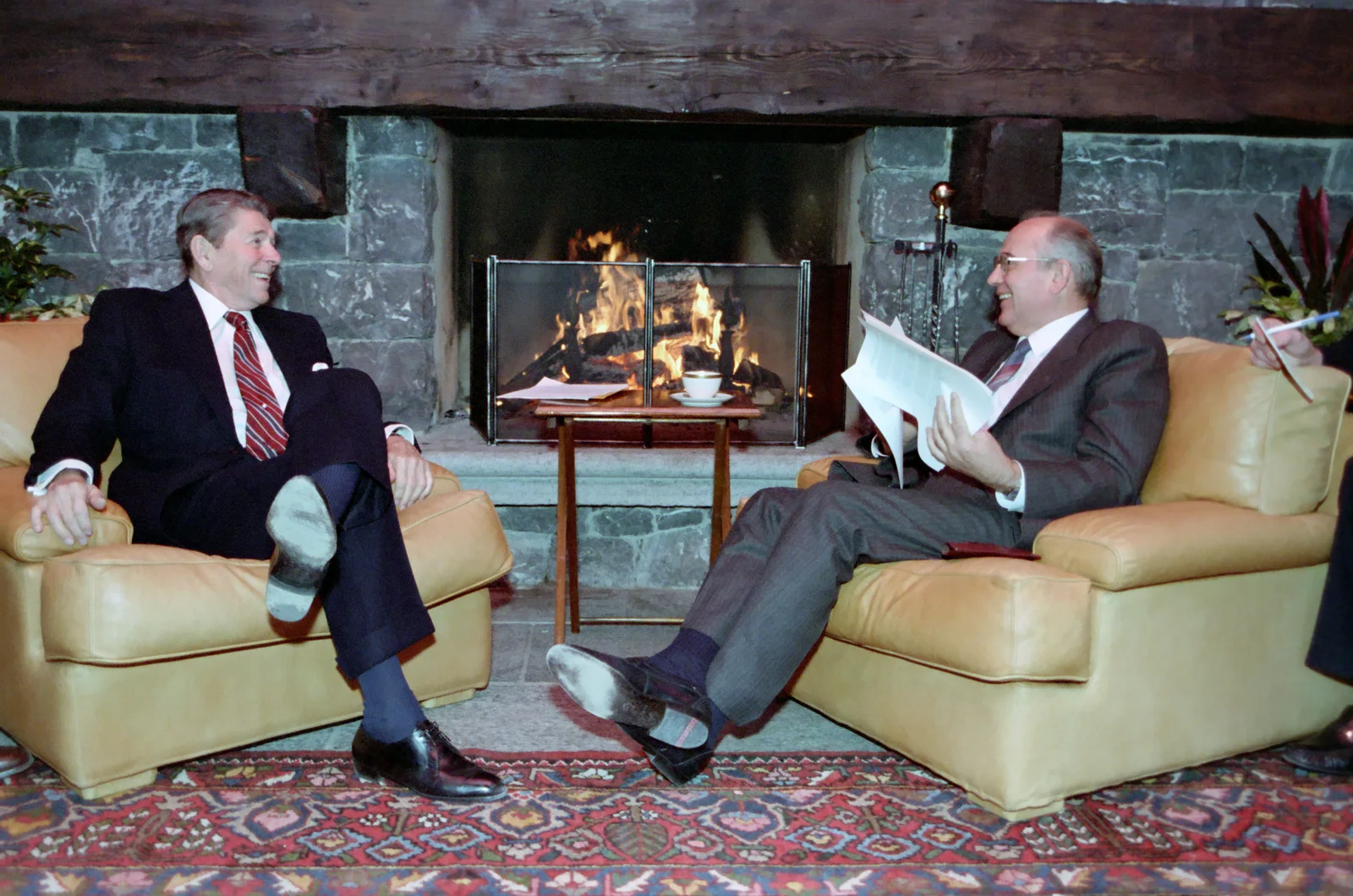
Reagan, Thatcher, NATO, the Strategic Defense Initiative and Western economic power met internal Soviet weakness, increasing pressure on a system already struggling to sustain a military empire and a command economy.
- 04
The Citizens Who Finally Said No
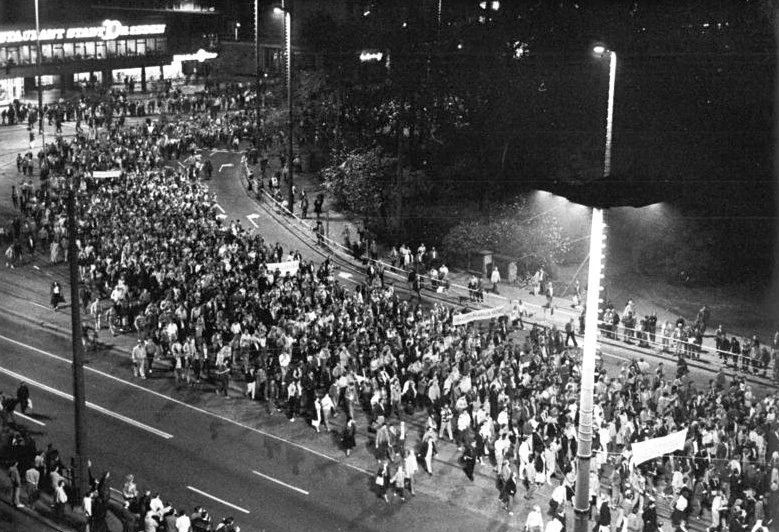
Dissidents, workers, teachers, students, artists, journalists, religious leaders and ordinary families turned private dissatisfaction into organised resistance, from Charter 77 and Solidarity to Leipzig, Prague, Budapest and Bucharest.
From a sealed continent to an open one
- Before
The world before the breakthrough
By the mid-1980s Soviet Communism still governed more than 100 million Europeans behind the Iron Curtain, held in place by censorship, restricted movement, economic stagnation and pervasive state surveillance.
- Music
The music battleground
From black market records and cassette tapes to Western radio and landmark concerts, music became contested territory between governments trying to control youth culture and a generation determined to hear the outside world.
- Berlin
Berlin, the crucible
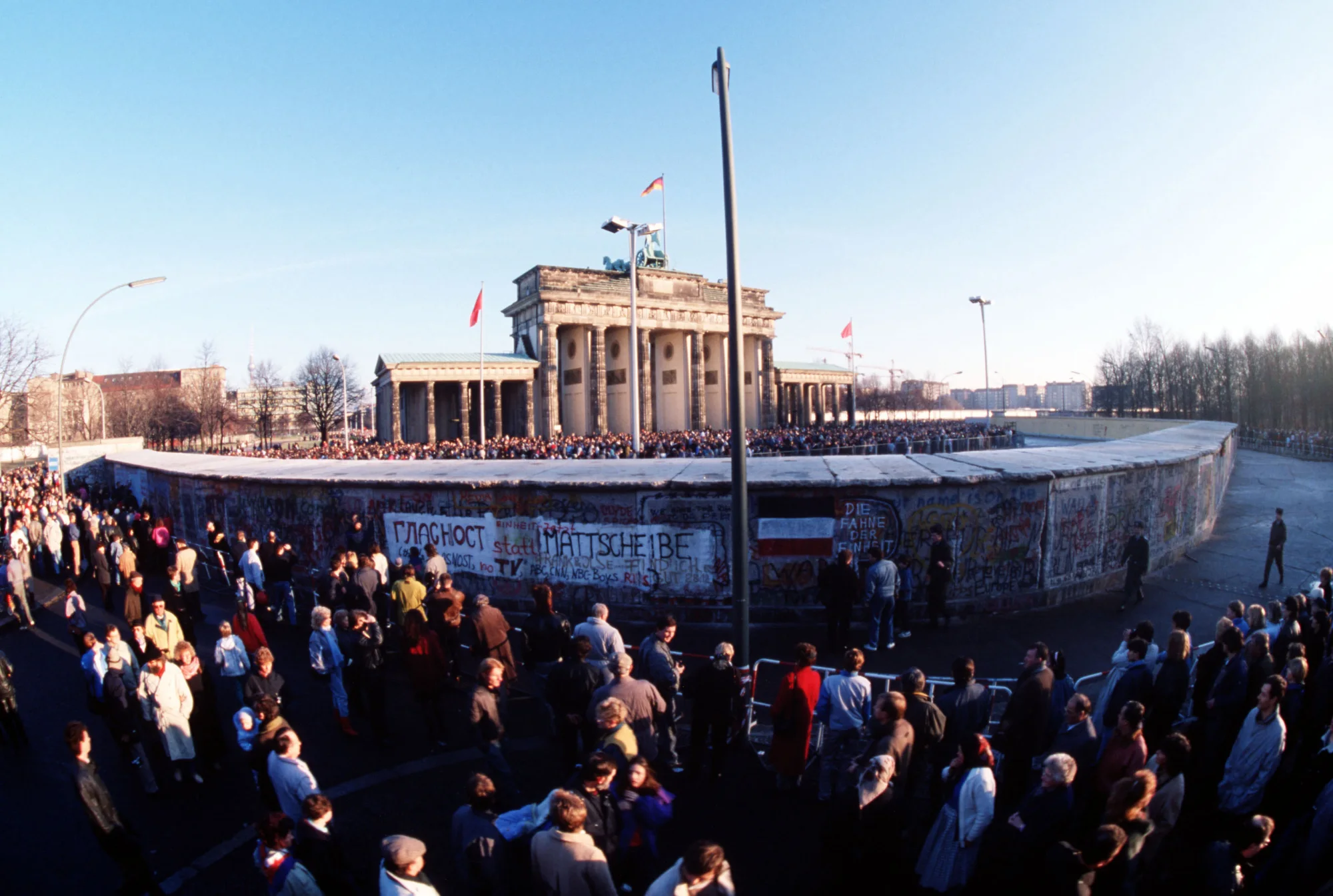
Ground zero of the Cold War. No city embodied the confrontation between closed and open societies more completely. The 1987 Concert for Berlin, Reagan at the Brandenburg Gate and the events around the Wall give the European story a recurring spine.
- 1988
The convergence
Economic weakness, political reform, Western information, popular culture and citizen resistance began reinforcing one another until events moved faster than Communist governments could control.
- 1989
The revolutions
Poland, Hungary, East Germany, Czechoslovakia, Bulgaria and Romania followed different paths, and together produced the cascade of 1989 that shattered the postwar political order of Eastern Europe.
- After
Victory, legacy, and the question history has underestimated
The Soviet Union disappeared on 25 December 1991. The series asks how much of that victory belonged not to presidents and armies but to broadcasters, musicians, artists, and millions of people whose desire for freedom preceded their ability to act on it.
The music battleground
A tape could be copied in a kitchen
Records reached the bloc in luggage and diplomatic bags, then multiplied outside anyone’s control. A press needs a factory. A cassette needs a second machine and an afternoon.

The state invited a Western rock musician to let the pressure out of a penned-in generation. Roughly 300,000 people came. The Wall opened sixteen months later.
Photographs on this page are archival and are credited individually. All other imagery is original artwork and does not depict any historical event or person.
The Shadow State
Standing against them was the apparatus built to keep entire populations inside: the KGB, the Stasi, the Securitate and the other Moscow-directed secret police services.
They jammed broadcasts, infiltrated churches and music scenes, arrested musicians, built surveillance files, recruited informants and worked without pause to cut their populations off from the outside world.
They are the continuing antagonist, running through the entire series.
91,000
Full-time Stasi officers in 1989
173,000
Unofficial collaborators, the IM
111 km
Of files the Ministry left behind
Figures: Stasi Records Archive, German Federal Archives
The Cold War was not won by military and economic pressure alone.
Western broadcasting, popular music and culture, and increasingly fearless citizens helped undermine the legitimacy of Communist rule from inside the Soviet bloc.
Were you listening?
If you tuned in past the jamming, copied a tape, or were watched for doing it, we want to record your account.
Someone who was twenty years old in 1989 is in their late fifties today. This testimony has a deadline that the production does not.
SendFor broadcasters and distributors
Development materials are available to broadcasters, distributors and co-production partners on request.
Request access